
Table of Contents:
Traditional budgeting advice breaks down the moment your income stops being predictable. Most systems assume you know exactly how much money is coming in and when.
Nightlife is far from that.
As exotic dancers we’re all-too familiar with some weeks being great, you love your job. Some weeks are slow, and make you question your life decisions. Some weeks surprise you in both directions.
Trying to force a traditional budget onto that reality usually leads to frustration and giving up altogether. If budgeting has never stuck for you, it’s not because you’re bad with money — its because you’ve been using the wrong system for the way you earn.
Step 1: Stop budgeting monthly
Monthly budgets are one of the biggest mistakes dancers and nightlife workers are encouraged to make.
When income changes week to week, a monthly budget falls apart fast. It requires constant mental gymnastics, turns money into an emotional rollercoaster, and creates unnecessary anxiety during slow weeks. Then, when a good week hits, overspending shows up as a “reward.”
Instead, shift to weekly and seasonal thinking. I know, that sounds like more work. But the goal isn’t precision. The goal is resilience. You’re building a system that can bend without breaking.
Step 2: Find your monthly baseline expenses
Your baseline number is the minimum amount you need each month to stay stable. This covers necessities not wants.
For example, my baseline number is $2,897.34.
To find yours, include:
- rent or mortgage
- utilities
- groceries
- transportation
- insurance
- minimum debt payments
- phone bill
- basic self-care you actually need to function (hygiene, essentials)
This number is your anchor. It ensures your foundation is solid, even during slow periods. You’re not funding your dream life every month. You’re protecting your stability.
Step 3: Use an income average (not your best week)
I know what you’re thinking: “But MB, our income fluctuates — how am I supposed to find an average?”
You look backward.
Take the last three months of income, add them up, and divide by three.
Example:
$7,466 + $6,345 + $8,185 = $21,996 ÷ 3 = $7,332
That’s your working average.
This smooths our extreme highs and lows and gives you a realistic planning number. Budgeting from an average is far more effective than budgeting from your best week.
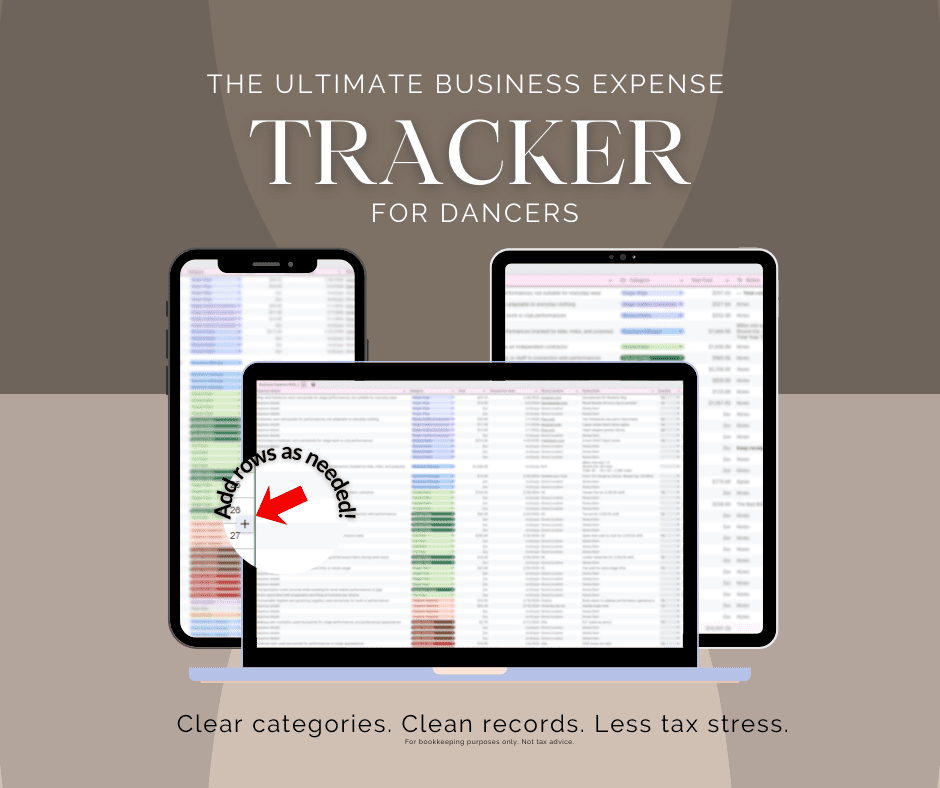
Pro tip: Track your earnings consistently. If you want to use the tracker I use, you can find it here.
Step 4: Separate good-week money immediately
One of the hardest parts of nightlife income is psychological.
Good weeks don’t feel permanent — even when they make us feel unstoppable — so we treat them like bonus money instead of income. That’s usually where the money disappears.
Instead, shift to paying yourself first during good weeks:
- Fund your baseline needs
- Allocate set percentages for:
- savings
- taxes
- a slow-season buffer
- Decide what’s left for spending
You still get to enjoy your money but with intention.
Step 5: Build a slow-season buffer (non-negotiable)
Slow weeks are not emergencies, they’re predictable.
Your goal is to build 1-3 months of baseline expenses (to start) in a separate account. This is your nightlife stability fund.
This buffer removes panic during slow weeks and prevents burnout spending. Having a buffer allows you the space to make calm decisions. Even $50-$100 allocated at a time counts. Progress is progress and I am proud of you.
Step 6: Weekly check-ins beat constant tracking
You don’t need to track every dollar perfectly. Instead, once a week, check your balances and ask:
Am I above or below my baseline right now?
Then adjust gently.
Consistency beats intensity. Budgeting with unpredictable income works best when it feels supportive, not controlling.
The mindset shift that makes this work
Budgeting in nightlife isn’t about control — it’s about containment.
You’re creating boundaries for money so it stops bleeding into stress. When you plan for fluctuations instead of fighting them, slow weeks feel manageable and good weeks feel purposeful.
The noise around money gets quieter. You’re holding the reigns and that’s the real win.
In the next post, I’ll break down how to save during good months without guilt and without setting yourself up to feel deprived later. If you want systems that actually work with nightlife income, not against it, subscribe to Stage Money so you don’t miss it.





Leave a Reply