
Table of Contents
One thing nobody prepares you for in this industry is how mentally distorting fast money can become.
When cash comes in quickly, inconsistently, and emotionally, it’s easy to lose track of what you’re actually making, spending, saving, and taking home.
One amazing night makes you feel rich. One bad night makes you panic. And somewhere in between, your money disappears without you fully realizing where it went. Without tracking your money, everything starts blending together. You rely on memory, emotions, and vibes to determine how you’re doing financially.
A lot of dancers are not bad with money. They just never created a system for handling irregular income.
I used to think I had a pretty good idea of what I was making too.
Then I actually started tracking it.
And it changed everything.
Fast Money Distorts Reality
When you are not tracking your money outside of counting what you made that night, cash flow can start to feel infinite. You exist in a state of blissful ignorance. Without a system, it becomes easy to fall into the “I’ll make it back” mindset that keeps dancers financially stuck for years. Spending money with the hope of earning it back next shift is not financial security.
One amazing night temporarily erases the panic from a dry spell or financial strain. Then suddenly you’re right back in the same position because there was no plan behind the money coming in.
Inconsistent income distorts reality. Some dancers think they are doing far better financially than they actually are, while others underestimate how much they truly bring in because everything moves so quickly.
Tracking Removes Emotional Guessing
Tracking your income helps you identify patterns and make decisions from awareness instead of emotion.
You begin noticing when your slow season hits and how money flows during those periods. When you prepare ahead of time, you can afford to take time away from the club instead of desperately forcing yourself through burnout.
You also become more aware of your spending habits. House fees, tip-outs, food, drinks, extra stage time, post-shift shopping trips — it all impacts what you truly take home at the end of the night.
Tracking also gives you a clearer picture of your average income. Not your best night. Not your worst night. Your actual average. And over time, you start identifying which days, shifts, clubs, and seasons consistently perform best for you.
The Psychological Shift
Top earners track their money. Not because they have to, but because they want to. They understand that tracking helps them manage money better, keep more of it, and push themselves toward bigger financial goals. The club becomes less emotional and more strategic.
Many top earners turn money into a game. How much can I make in one night? In one hour? Can I beat my best month? It starts feeling like breaking a personal record. And when you move with intention, the club becomes a tool, not a trap.
Dancing stops being “just dancing.” You begin operating like a business every time you step into the club. You market yourself through your appearance, personality, stage presence, and interactions. You secure sales by understanding people and creating experiences.
At the end of the day, your earnings are data. Your money tells you:
- what shifts perform best
- what clubs are worth your energy
- when slow season hits
- when you need rest
- when you’re approaching burnout
Tracking removes the fear of missing out because you stop operating off emotion and start operating off patterns.
What I Track Personally
The obvious thing I keep track of is what I earn during each shift, including both cash and any digital payments through Cash App or Venmo. I also document house fees and tip-outs so I can see what I actually took home at the end of the night instead of just focusing on gross earnings. Keeping records of these expenses can also help during tax season.
Beyond that, I track the hours I worked, which club I worked at, and my mileage. This gives me actual data points I can refer back to when deciding:
- whether a club is worth my time and energy
- if day shift or night shift performs better for me
- when I can realistically afford to take time off
- and how my income fluctuates throughout the year
The mileage portion is mostly for tax purposes, but everything else helps me understand my work patterns better instead of relying on memory.
The Uncomfortable Truth
Some dancers think they make far more than they actually do each month. Others make more than they realize but blow through it so quickly that they still feel broke.
Tracking your money forces honesty with yourself. And honestly, that can feel uncomfortable at first. But once you stop avoiding the numbers, you gain clarity. You stop operating off assumptions and start understanding your actual financial habits.
That initial discomfort is worth it.
What Changed for Me
Once you begin consistently tracking your income, you develop a healthier relationship with fast money. You start moving with more intention, and your money does too. Instead of money coming and going emotionally, every dollar starts having a purpose.
Tracking also makes tax season significantly less stressful. Instead of scrambling through bank statements and trying to estimate your yearly income, you already have your numbers organized in one place.
It also helps you identify when slow season hits so you can prepare ahead of time instead of panicking in the middle of it. Slow season can feel like working twice as hard for half the money. But when you already know those slower periods are coming, you can save more aggressively during your stronger months and take pressure off yourself later.
Over time, you stop relying on the “I’ll just make it back” mindset.
Being aware of your average income naturally makes you more intentional with spending. You become less likely to overspend and force yourself into extra shifts just to recover from impulsive decisions.
After a while, I got tired of trying to mentally piece my finances together from memory, random cash piles, Notes app entries, and half-remembered numbers after long shifts.
I wanted something simple that helped me clearly see what I was consistently making and what I was truly taking home after fees, tip-outs, and expenses.
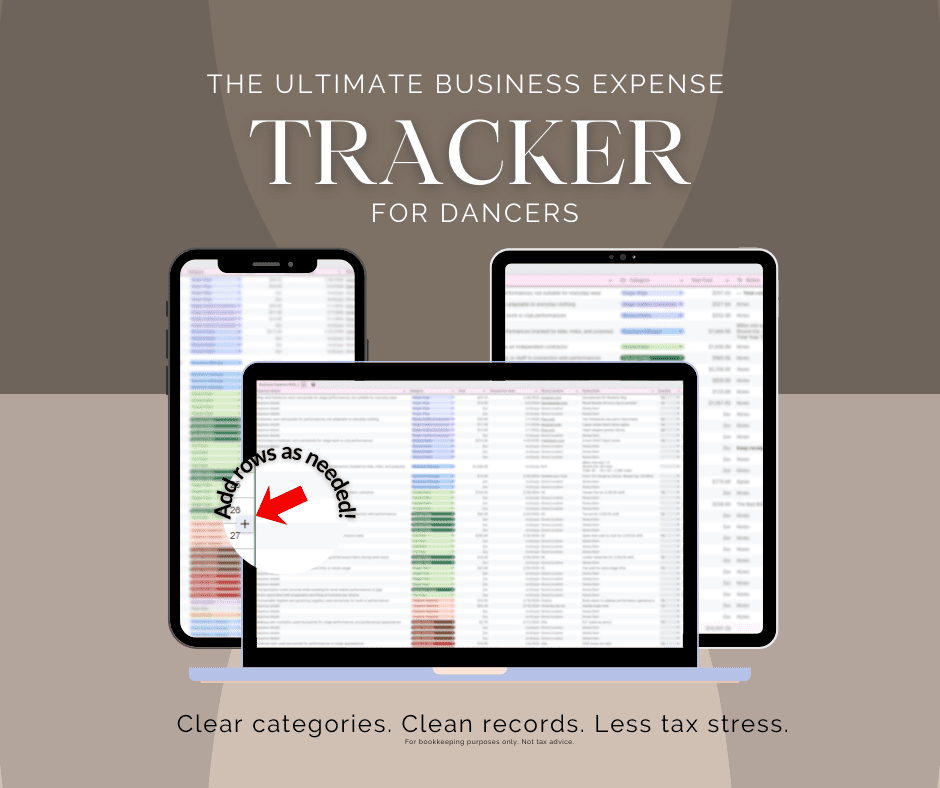
So I created an income tracker specifically for dancers.
It’s designed to help you organize your shifts, track your earnings, prepare for taxes, identify patterns in your income, and stop relying on guesswork when it comes to your finances.

The club moves fast. Your finances do not have to.





Leave a Reply