
Table of Contents
Strip clubs are an unpredictable place to earn a living. Income fluctuates week to week. You can get sick, injured, burnt out, or simply have a string of slow nights that humble you fast. Sometimes clubs shut down for renovations. Sometimes management changes. Sometimes the economy shifts.
Relying on one income stream in an industry this volatile puts unnecessary pressure on your body, your mental health, and your decision-making inside the club.
Extra income from side hustles gives you options. That money can go toward taxes, building your slow season buffer, paying off debt, investing, or simply giving you peace of mind. It creates breathing room. And when you have breathing room, you don’t hustle from desperation.
This isn’t about doing more. It’s about relying less on the club to solve every financial problem.
Selling pre-loved items
This is one of the easiest ways to make extra cash because you already own the inventory.
Do you have heels you never wear anymore? Sell them. And yes, I know what you’re thinking. “That’s gross.” I promise you there is a foot lover somewhere who would be thrilled to own heels that have actually been worn. And if you’re selling them to non-foot-lovers? Clean them up, disclose condition honestly, and let someone else enjoy them.
Outfits you don’t wear anymore can go too. If they’re just sitting in a drawer, they’re not doing anything for you. Same with wigs or hair pieces you never reach for. Just make sure everything is clean and presentable.
Money bags, robes, accessories, even backup heels you never touch can all be sold off.
You can find buyers on eBay, Depop, Poshmark, Mercari, or dancer-specific Facebook groups. This kind of side income clears clutter and turns sunk costs into usable cash. Plus, it’s low effort and doesn’t require ongoing energy.
Online content (on your terms)
This doesn’t have to mean becoming a full-blown creator. Some dancers sell photo sets, short clips, or niche content that fits their comfort level. Others prefer faceless content, hands-only shots, or themed sets. You decide your boundaries.
The upside here is scalability. Once something is created, it can sell multiple times without extra physical labor. The downside is this side hustle does take consistency, emotional bandwidth, and it’s out there forever. If you’re already stretched thin, this may be something to approach slowly rather than all at once.
Pole classes, stage coaching, or mentoring
If you’ve been dancing for a while, you have skills newer dancers don’t yet possess. Some dancers offer beginner pole classes, floor work coaching, or stage presence tips. Others mentor baby dancers on club etiquette, boundaries, or navigating their first few months. This can be done informally or through structured sessions.
Teaching as a side hustle can be surprisingly fulfilling and less draining than working the floor, especially if you enjoy helping others avoid mistakes you had to learn the hard way.
Selling digital products
This is where dancers underestimate themselves. If you’ve solved a problem for yourself, chances are another dancer needs that solution too. Digital products take time upfront but can create income long after the work is done. Which is a side hustle that keeps on giving.
Some ideas for digital products can be:
- Packing lists for travel dancers/how to travel dance guide
- Club survival guides
- Slow season prep checklists
- Scripts for setting boundaries or upselling dances
- Baby dancer guide
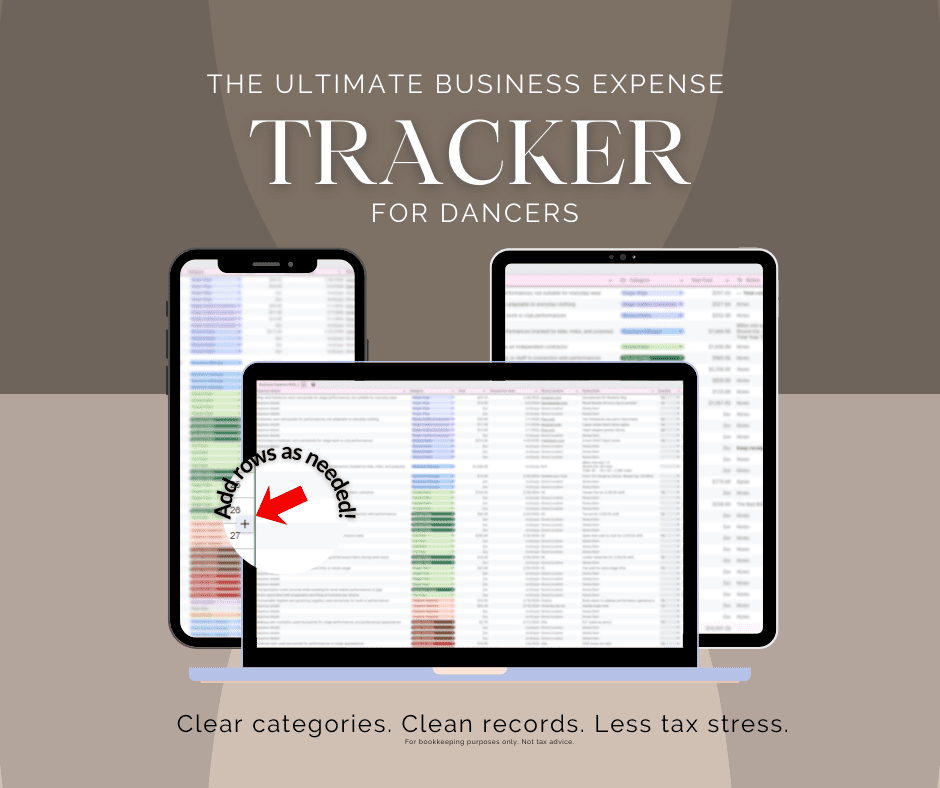
- Spreadsheets for tracking income
- Good at navigating taxes? Tax guides
Flexible gig work
Some dancers pick up flexible gigs like bartending events, bottle service, brand ambassador work, or nightlife adjacent jobs. Others do remote work like virtual assistant tasks, social media management, or customer support on their own schedule.
The key is flexibility. A side hustle should support your dancing income, not compete with it or exhaust you.
UGC and content creation for brands
You don’t need a massive following to make money creating content for brands. User generated content (UGC) is when you create short-form videos or photos that brands use for ads on their own platforms.
This can look like skincare demos, lifestyle clips, videos, or talking-to-camera content that feels natural and relatable. Many brands care more about how well you can communicate and present than how many followers you have.
If you’re comfortable on camera, already know lighting, angles, and how to sell a vibe (you def do being a stripper!), this can be a surprisingly good fit. The income is usually per video or per package, and once you build a small portfolio it becomes easier to land consistent work.
The upside is that this income is separate from the club and doesn’t rely on being physically present or working late nights.
Starting your own blog or writing online
If you’re already journaling, posting, or explaining things to other dancers in DM’s, you’re already halfway there. Starting a blog allows you to turn lived experience into long-term income through digital products, affliliate links, or ads over time. It’s not fast money, but it is sustainable money. The kind that grows quietly in the background.
Writing also gives you a paper trail of skills. Communication, organization, teaching, and consistency all translate extremely well outside the club. And if you ever plan to transition out of dancing, having something you’ve built yourself gives you leverage and confidence.
This is very much a long game, but it’s one that doesn’t depend on your body holding up forever.
Pet sitting or house sitting
Pet sitting is one of the most underrated side hustles for dancers. It’s flexible, low stress, and can pay surprisingly well, especially for overnight stays. Many clients are professionals who travel often and need someone reliable rather than cheap. If you’re already on a traditional schedule, this can fit nicely around club shifts.
The emotional benefits matter too. Spending time with animals can be grounding after long nights in a high-stimulation environment. It’s income that doesn’t require selling, flirting, or performing.
Apps like Rover exist, but word of mouth tends to pay better once you’ve built trust. When I was a pet sitter, this is exactly what I did. I utilized Rover to build up a client base that turned into word of mouth. I kept 100% of my money versus the percentage Rover would pay out to me. Plus some clients became networking connections as they helped me find jobs.
A side hustle does not equal passive income
Your side hustle doesn’t need to be glamorous. It doesn’t need to impress anyone. And it definitely does not need to turn into another full-time job. The goal is stability, not martyrdom.
One extra income stream can mean fewer desperation shifts, less pressure to tolerate nonsense, and more control over how long you stay in the industry. It gives you leverage and that changes everything.
You don’t need ten hustles. You need one that fits your energy, boundaries, and long-term goals. And if all you have the capacity for right now is selling off things you own? That’s still a win.
Remember, we’re not building up passive income here yet.





Leave a Reply