
Table of Contents
Saving for taxes as a stripper can feel overwhelming. When you are essentially running your own business, no one is automatically setting money aside for you. What you make is what you take home, and it is up to you to plan ahead.
While there is no exact number that works for everyone, there is a generally accepted range that makes things a lot easier.
The good news is that saving for taxes is much simpler and less stressful than it seems once you have a system in place.
Why Strippers Owe Taxes
It is easy to think that because most of our income is tip-based, we somehow don’t have to worry about taxes. You might have even heard about “no tax on tips” and assumed it applies here.
Not exactly.
Because we do not receive traditional paychecks, taxes are not withheld from our earnings. That means we are responsible for reporting income and setting aside money ourselves.
At the end of every shift, what you walk out with is your gross income, not your take-home after taxes.
Also, something that is often overlooked: if you ever plan on making a large purchase like a home or car, lenders rely heavily on your tax returns to verify income. Not claiming income can make those goals much harder to reach.
How Much Should Strippers Save for Taxes?
A solid rule of thumb is to set aside 20–35% of your earnings for taxes.
- 20% → bare minimum
- 25–30% → safe range
- 35% → extra cautious
This is something you should be doing consistently, not occasionally.
Getting into the habit can feel hard at first, especially on slower nights. If you had a low-earning shift or have immediate expenses, it is okay to save on the lower end.
Just try not to make that your default every time, or you may come up short when taxes are due.
Example: How Much to Set Aside
Let’s say you come home from a shift and made $1,300.
If you set aside 30%, that would be:
0.30 × 1300 = $390
That $390 is money you are paying your future self so you are not stressed later.
Where to Store Your Tax Money
Keeping your tax money in a random pile of cash at home is not the move. A better option is a high-yield savings account (HYSA).
These accounts allow your money to earn interest while it sits, meaning you are making a little extra on money you were not going to touch anyway.
When choosing one, look for:
- high APY
- no monthly fees
- no minimum balance requirements
Over time, even small amounts of interest add up.
My Personal Tax Saving System
After every shift, I count my earnings and calculate 30%.
I set that amount aside mentally, then once I deposit my money, I transfer it into my tax bucket inside my HYSA.
Then I leave it alone.
I do not touch it. I do not spend it. I do not “borrow” from it.
If tracking everything mentally feels overwhelming, this is where having a simple system helps. Even something as basic as writing your nightly totals down can make a huge difference.
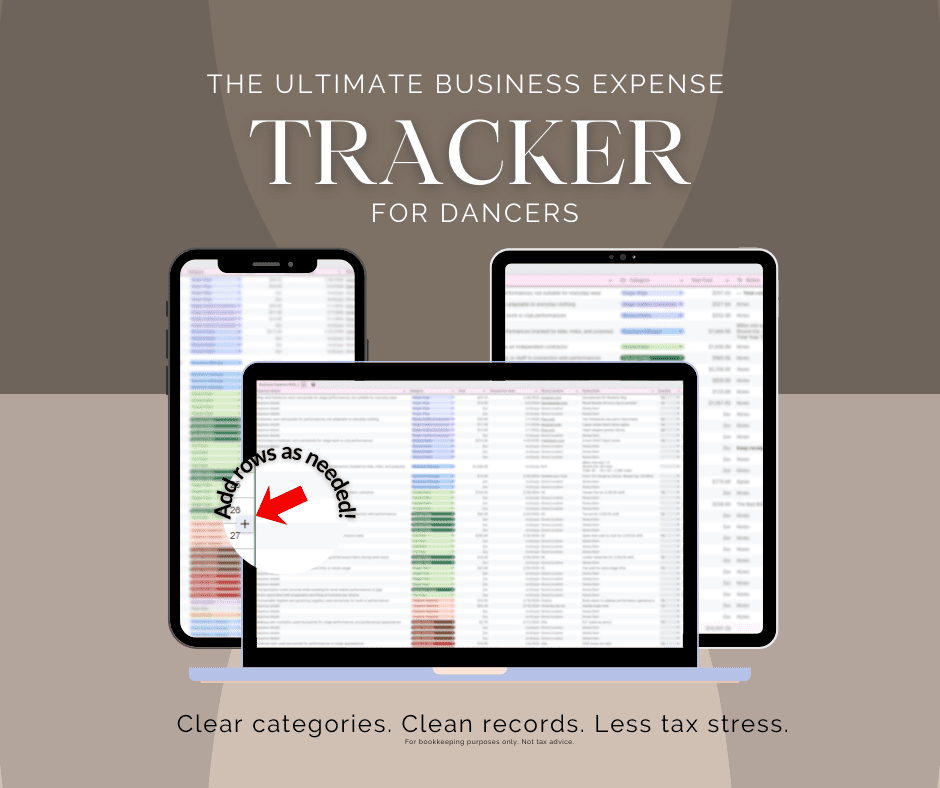
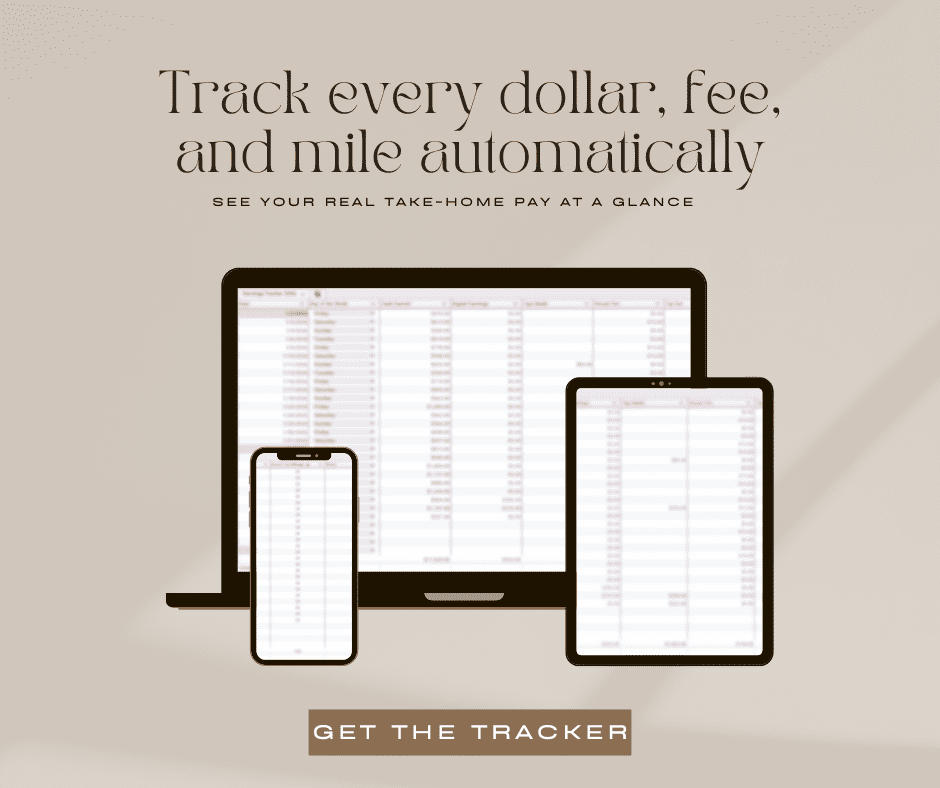
(This is also exactly why I created my income and tax tracker. It keeps everything in one place and calculates totals for you so you always know where you stand.)

Quarterly Taxes for Strippers
As a self-employed dancer, you may be required to make quarterly tax payments instead of paying everything at once in April.
These are smaller payments made throughout the year:
- April 15th
- June 15th
- September 15th
- January 15th (following year)
The idea is simple. Since no one is withholding taxes for you, the IRS expects you to pay as you earn.
How much you pay depends on your income, but a common guideline is to cover 90% of your current year taxes, or 100% of last year’s tax bill.
If you overpay, you get a refund. If you underpay, you may owe penalties.
Make Taxes Less Stressful
Taxes are not going away, especially in this industry. But they also do not have to feel chaotic or overwhelming.
When you consistently set aside money, you remove the panic, avoid burnout from trying to “catch up,” and give yourself more control over your finances. Even if you cannot set aside a full percentage every time, saving something is always better than nothing.
Give yourself grace. You are learning how to manage variable income, run your own finances, and build stability in an unpredictable industry.
That is not easy, and you are doing better than you think.



Leave a Reply